flowers of digestion
Curated by Pascale Berthier
with works by
Pascale Berthier, Lucy Byatt, Enrico David, Cerith Wyn Evans, Kira Freije and Augusta Hood
Opening Thursday 4th June 2026
CLICK HERE to request the exhibition catalogue
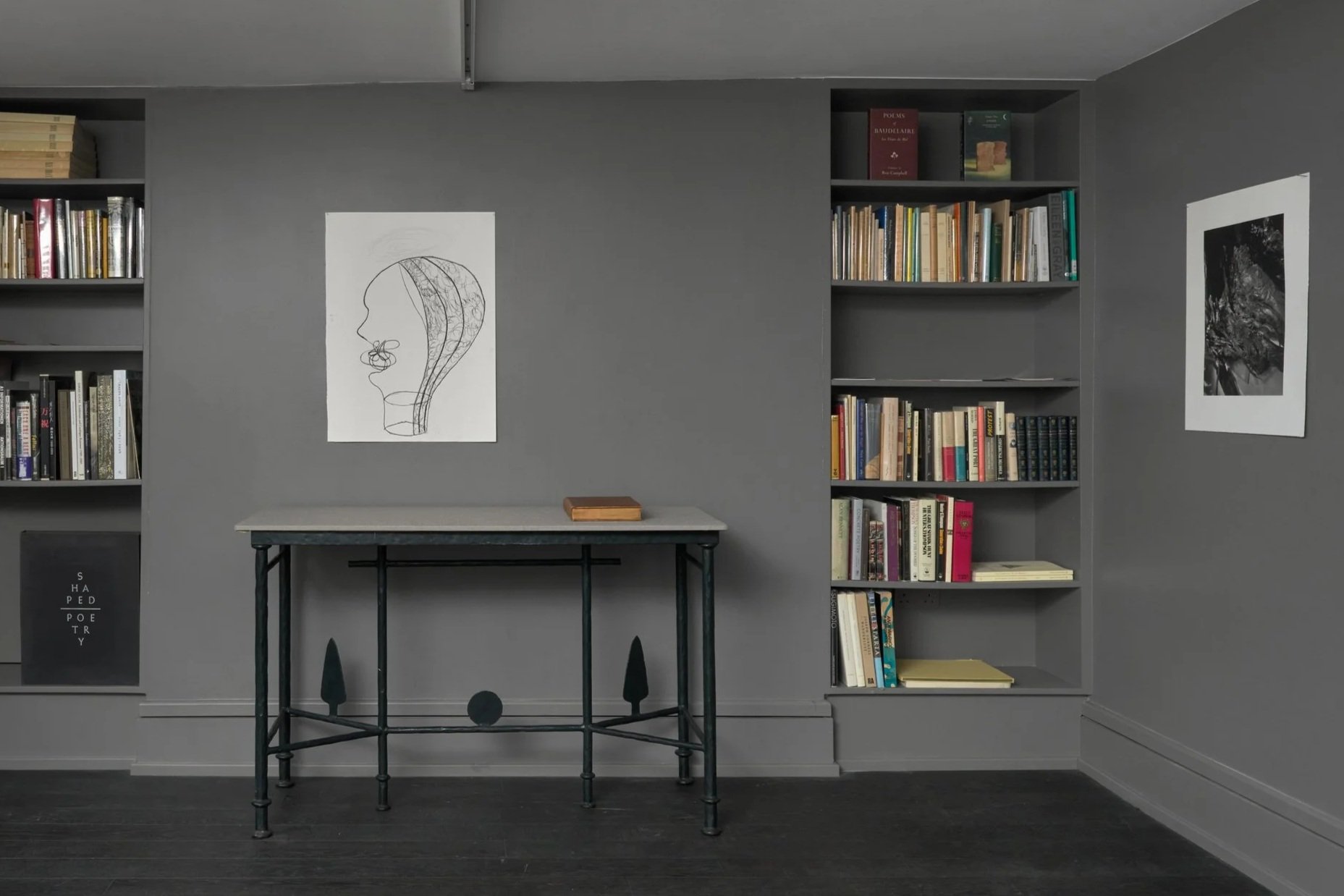
CASSIUS&Co. presents flowers of digestion, curated by Pascale Berthier, opening at 63 Kinnerton Street, London, SW1X 8ED on Thursday 4th June, 2026.
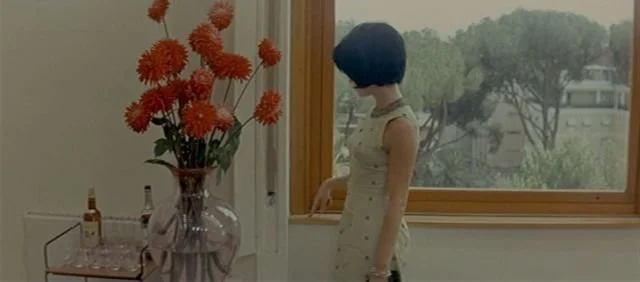
flowers of digestion is a meditation on the flower arrangements in Jean-Luc Godard’s film Le Mepris (1963). It brings together a group of ‘object-witnesses’: works in two-dimensions, three-dimensions, permanent and impermanent, that provide points of access and departure from events that are too difficult to process, traumas that can only be digested obliquely. In Godard’s film, love and contempt are sketched out with such symbolic objects, and it is the tense interplay of memory, avoidance, and misunderstanding that ultimately leads to the protagonist’s death.
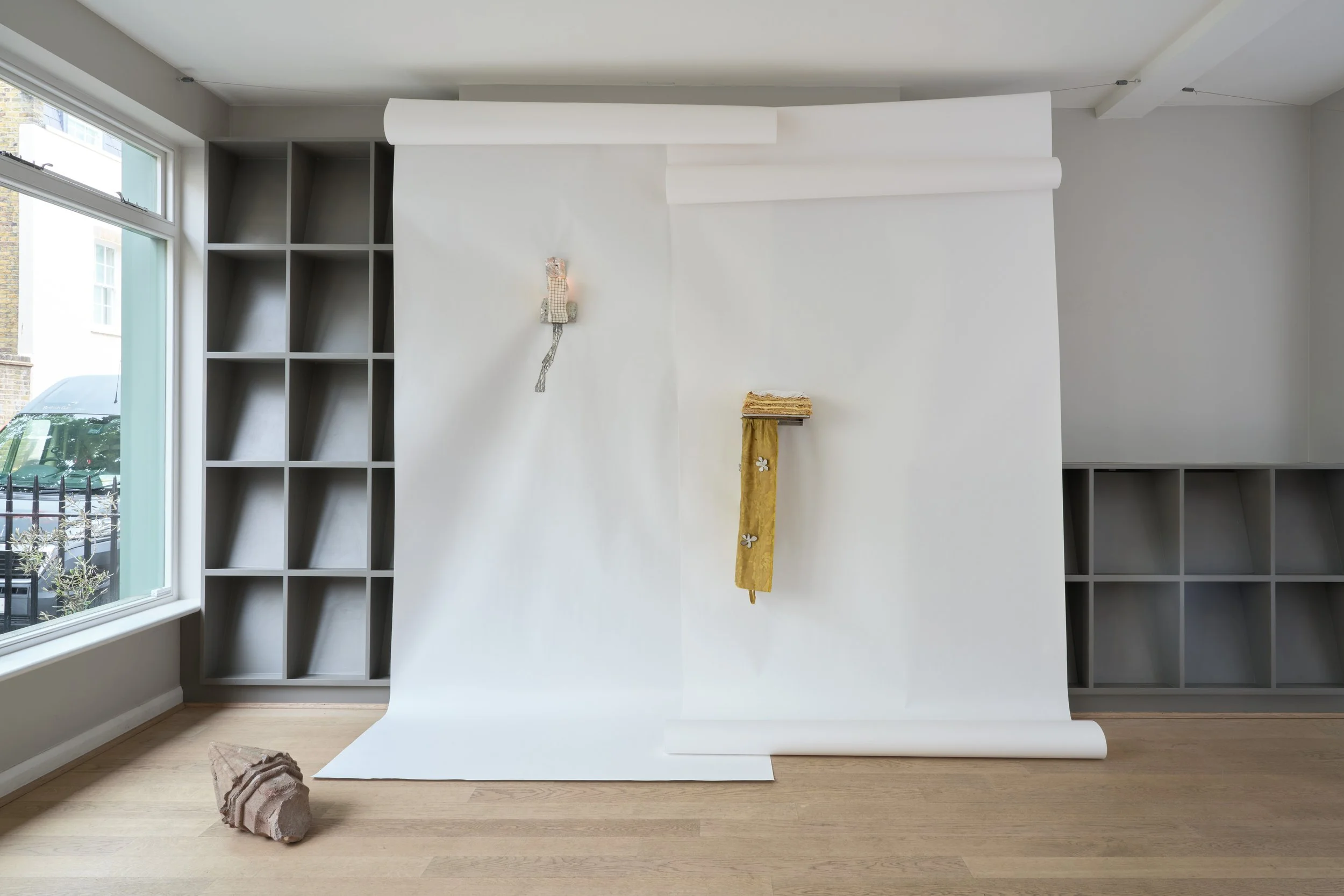
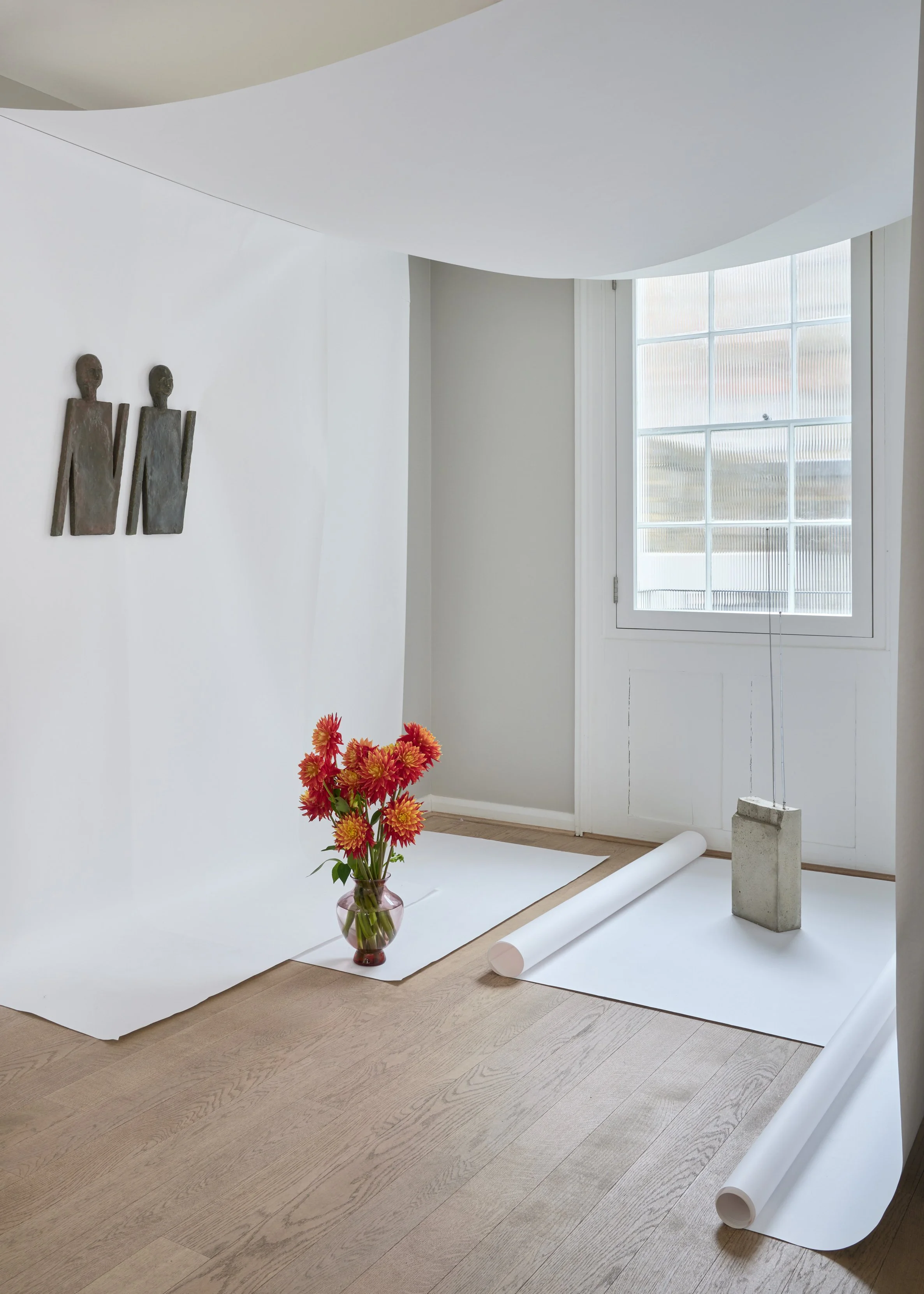
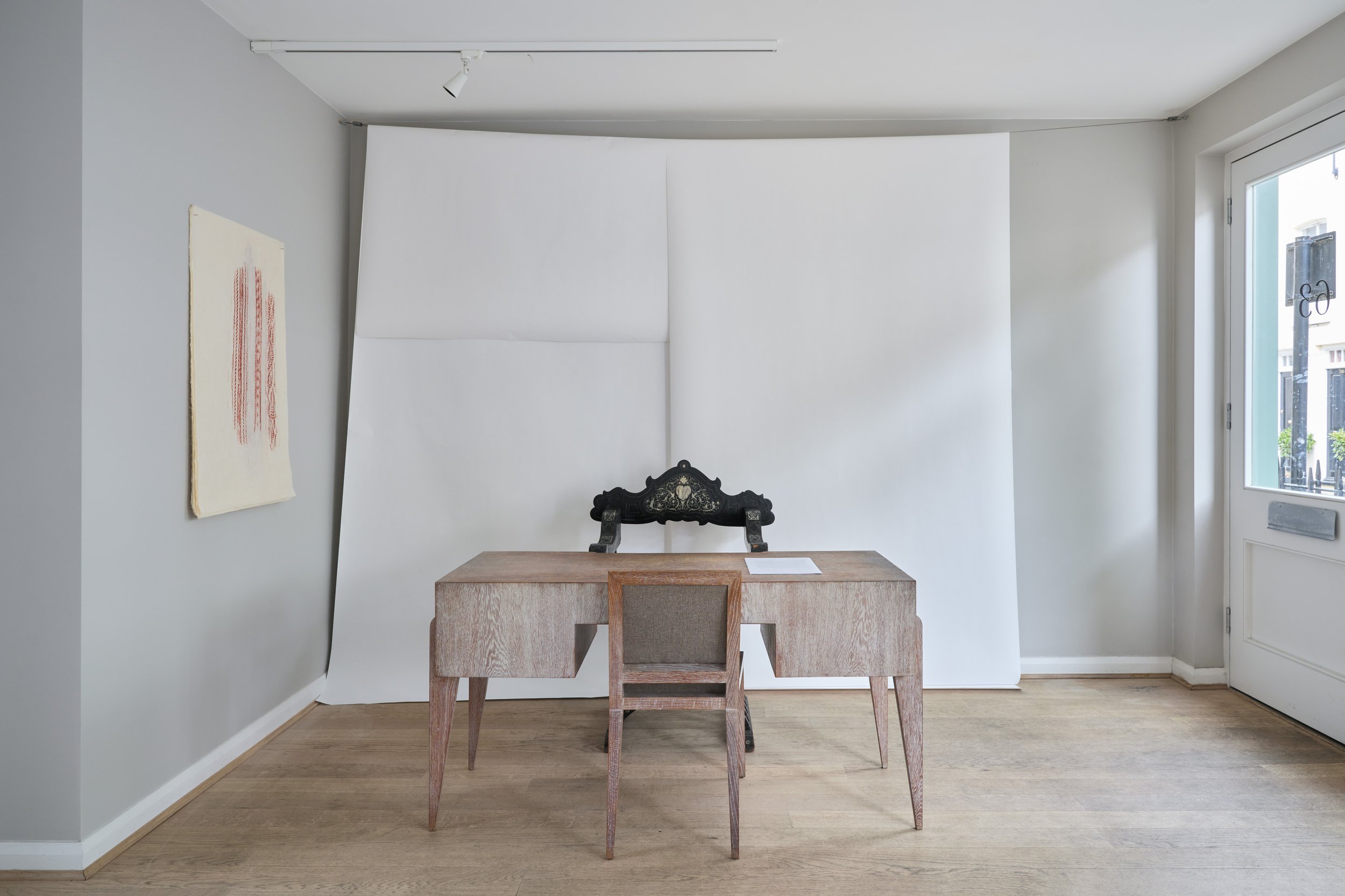
The exhibition will include sculptures and works on paper by Enrico David, Cerith Wyn Evans and Kira Freije, alongside Berthier’s own loose reconstruction - a memory rather than a replica - of Godard’s flower arrangements, as well as rubbings taken from the Hospitalfield Memorial Chapel in Arbroath. Parts of the exhibition are to be set among an installation of paper scrolls: a nod to Luciano Fabro’s Habitats, as well as the human digestive system. And for the night of the exhibition’s opening, Augusta Hood (Head Chef at Café Deco) will present a mille-feuille.
A fully-illustrated catalogue will be published alongside the exhibition, with a text by writer and curator David Bussel. Please email fb@cassiusandco.com if you would like to receive a digital and/ or physical copy of the exhibition catalogue.
The object-witness is a kind of fetish or proxy, a psychic investment that fills a void and a site of displacement that digests a trauma: the subject (the self), the object (the trauma) and the mediating host (the witness). But what happens when this economy breaks down, is destabilised or corrupted? What happens when this consumption of trauma produces a nonequivalence, a psychic debt of sorts by sustaining and prolonging a kind of melancholic regression, or a refusal? What happens when that fetish, the void and the site, instrumentalised by a generalised political, economic and social subjectivation from without (the gentrification of trauma), are no longer maintainable or desired and are summarily rejected by the self? What happens when disgorgement, or anti-digestion, is avowed, when the shadow of the trauma can no longer be absorbed by the witness-object, when the container no longer contains? That is, what is the process by which the object-witness no longer functions as mediator and de-cathexis or psychic disinvestment occurs? What happens to the ego-envelope? Entropic collapse or total revolt? Or better yet, what happens when this triangulation of self-trauma-host self-destructs and psychic collapse ensues, engendering something like a body-without-organs, a body without subject, a body that cannot digest? Is this the space of human strike? Because isn’t ‘a schizophrenic out for a walk…a better model than a neurotic lying on the analyst’s couch’?
-David Bussel
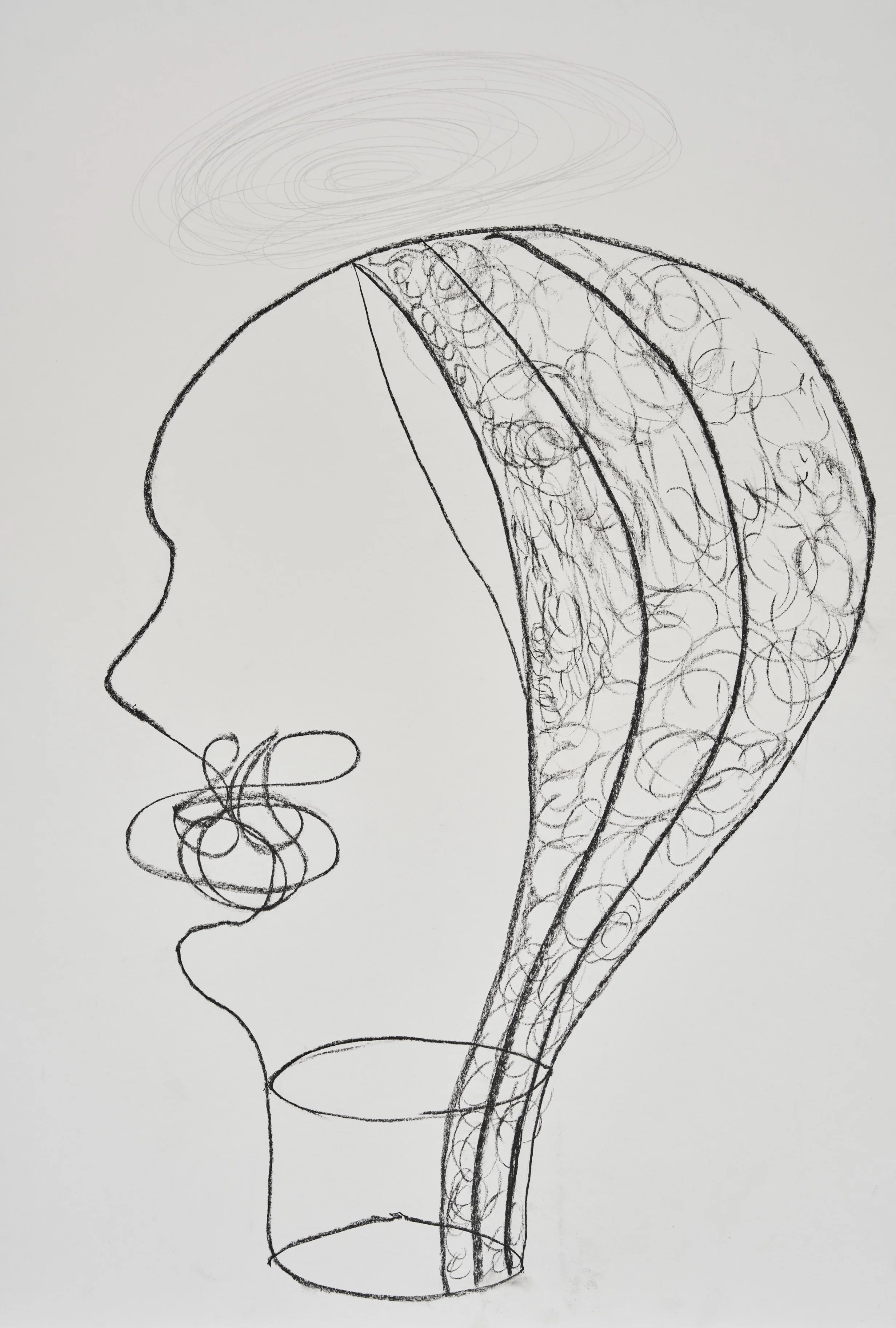
Enrico David, Cortex, 2026. Graphite on paper, 68 x 50 cm.
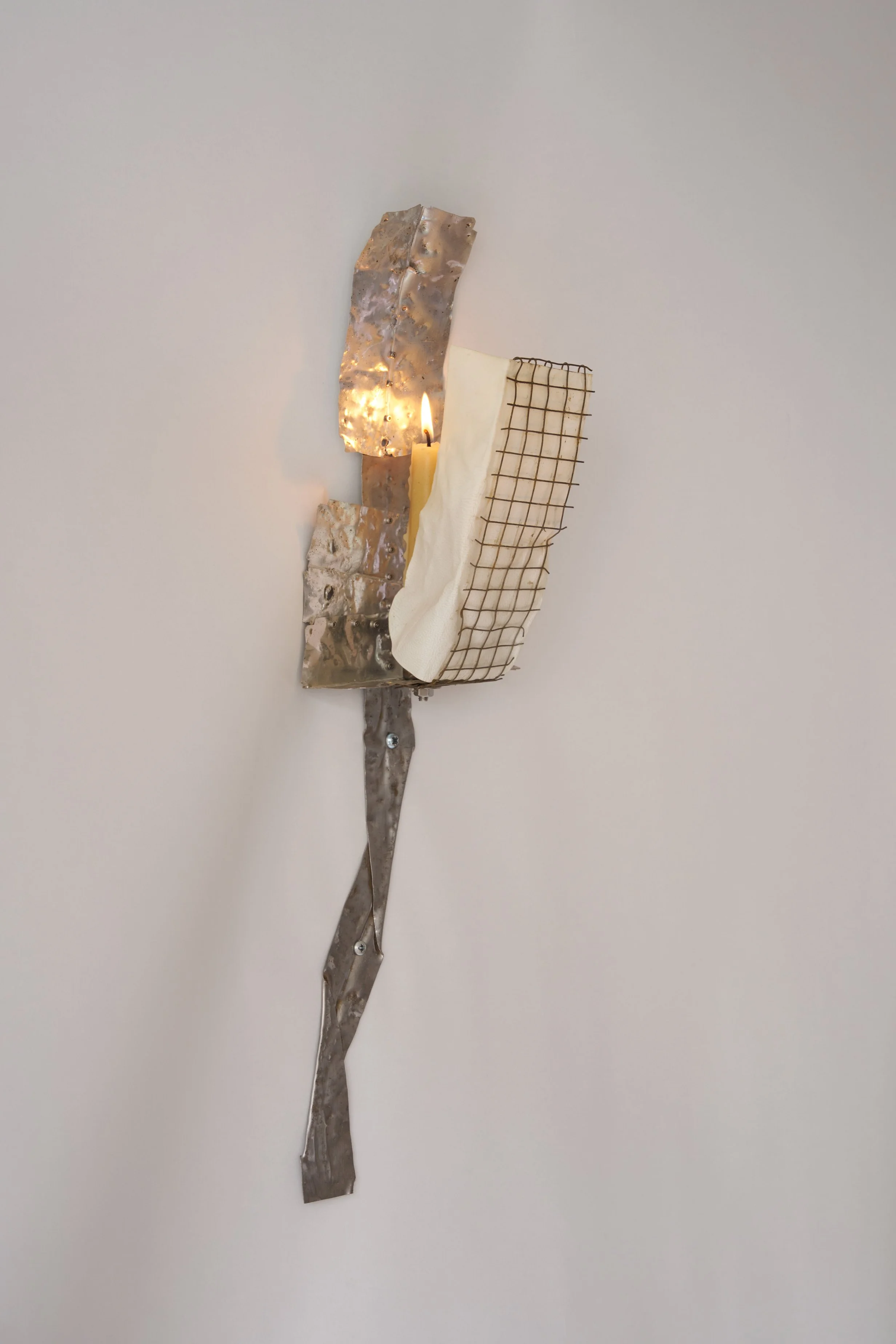
Kira Freije, cattle, 2024. Steel, tin, vellum, candle, 54 x 15 x 14 cm.
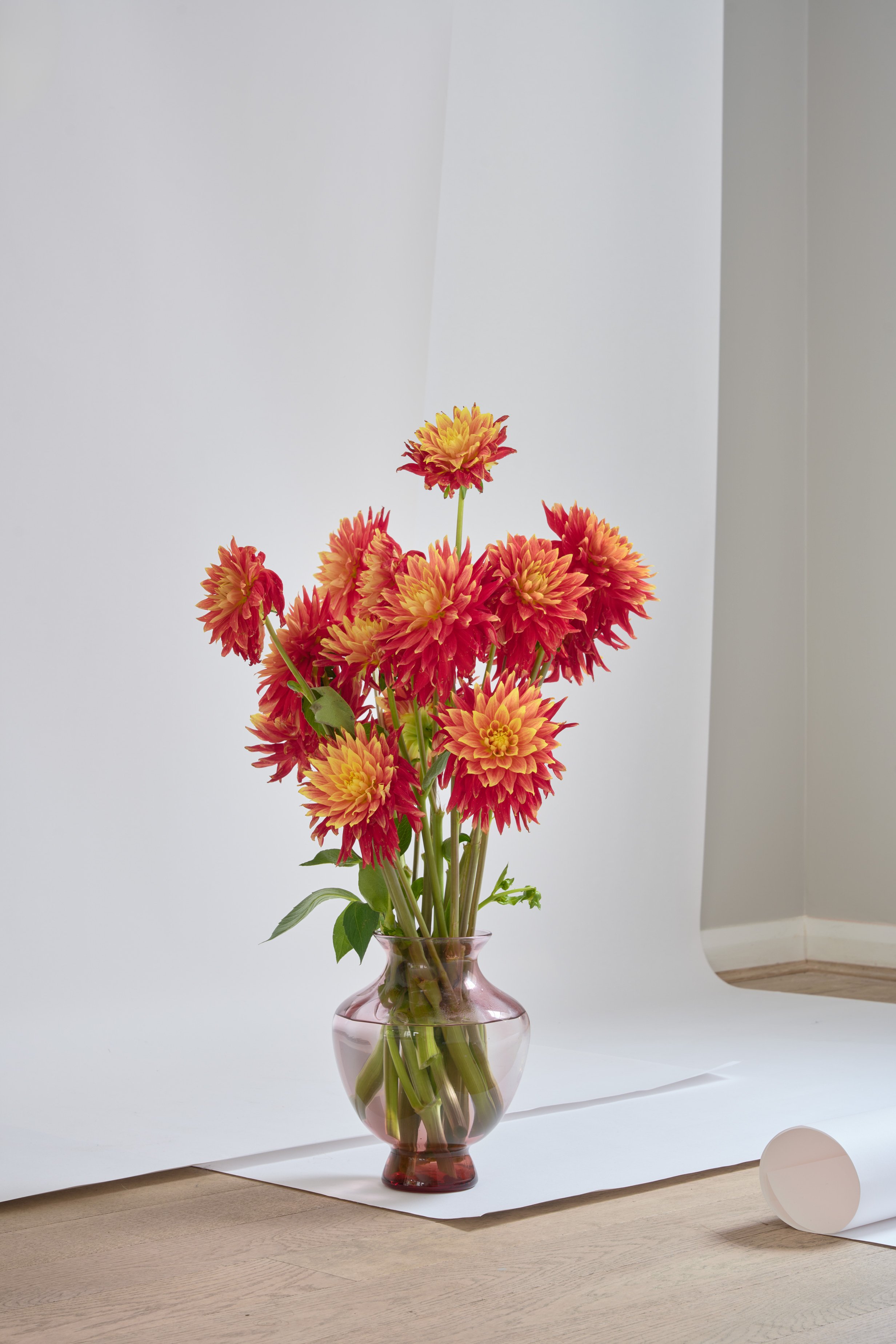
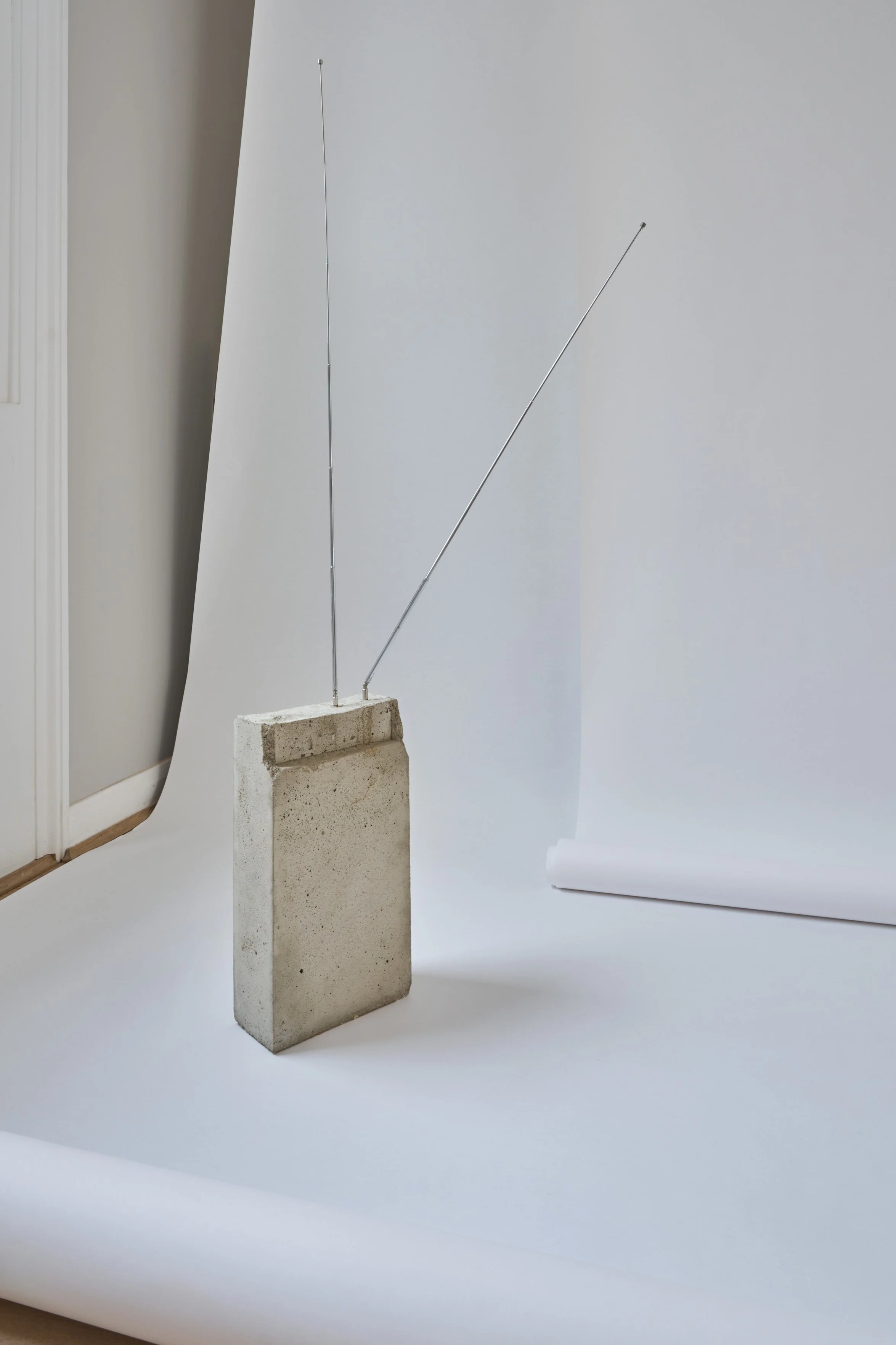
Cerith Wyn Evans, ‘Replica’ after I. G. concrete ‘Weltempfänger, 2026. Concrete and antennae, 122 x 21 x 9 cm.
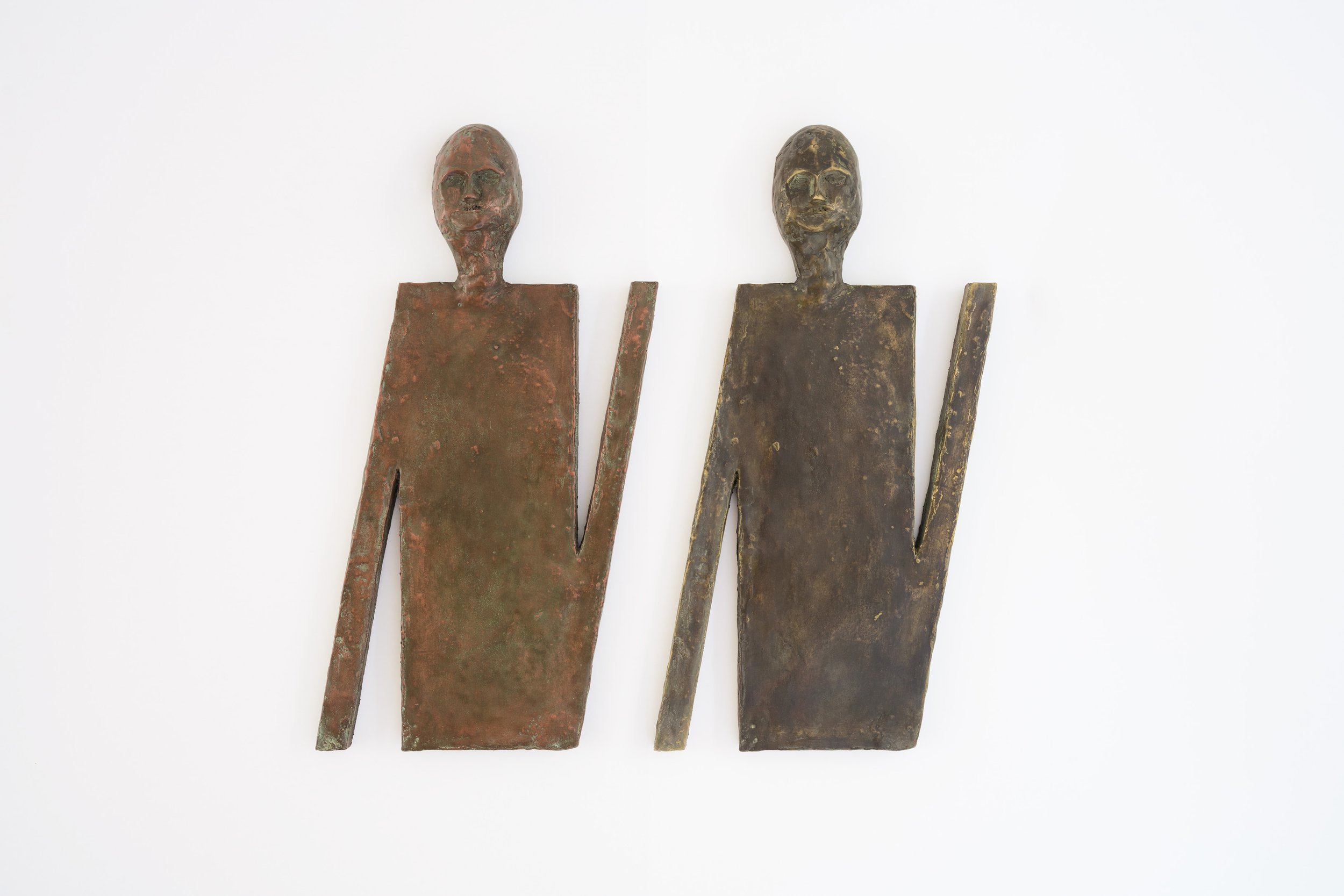
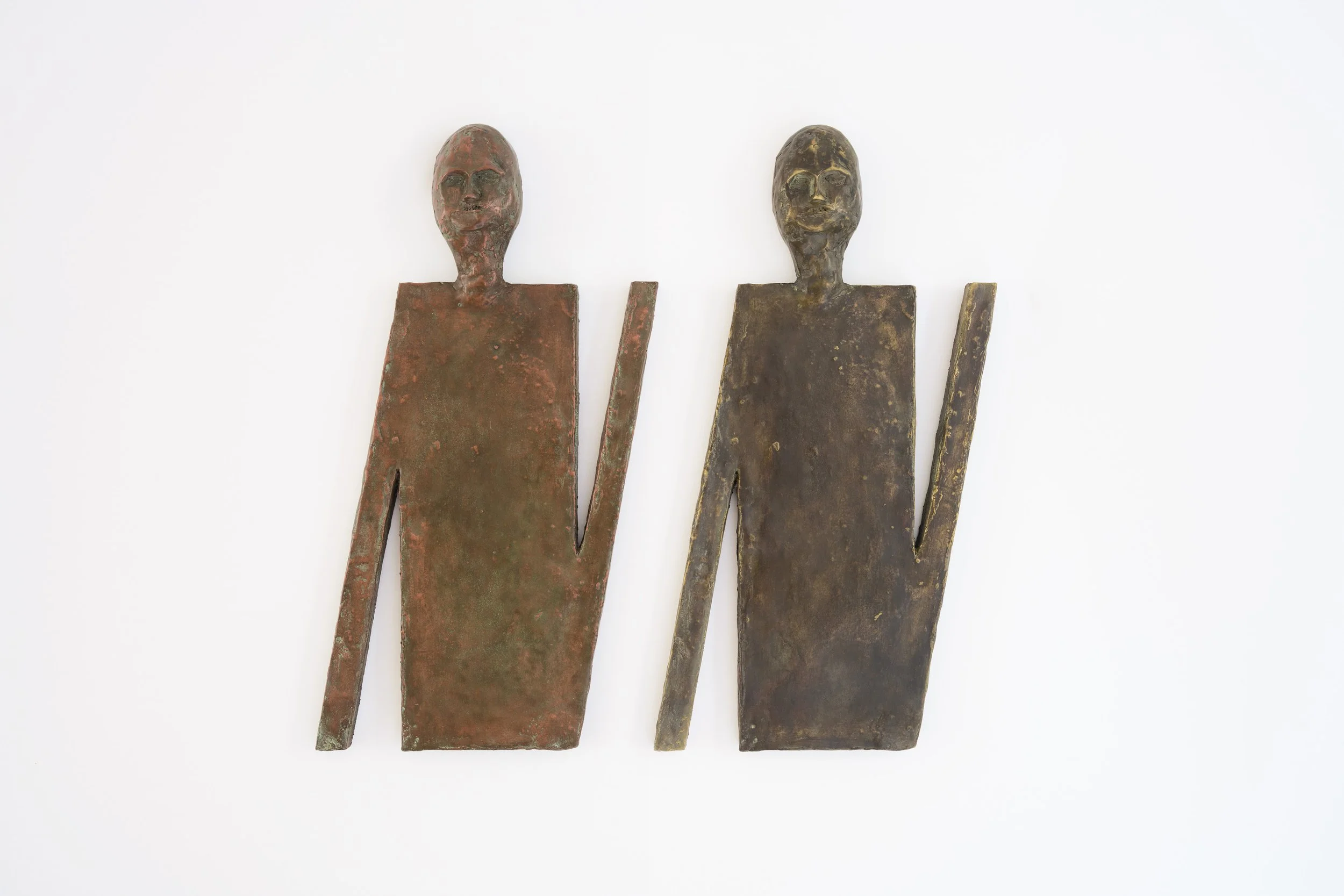
(L) Enrico David, Floor Element II (copper study), 2026. Copper, 55 x 27 x 3 cm. (R) Enrico David, Floor Element I (brass study), 2026. Brass, 55 x 27 x 3 cm.
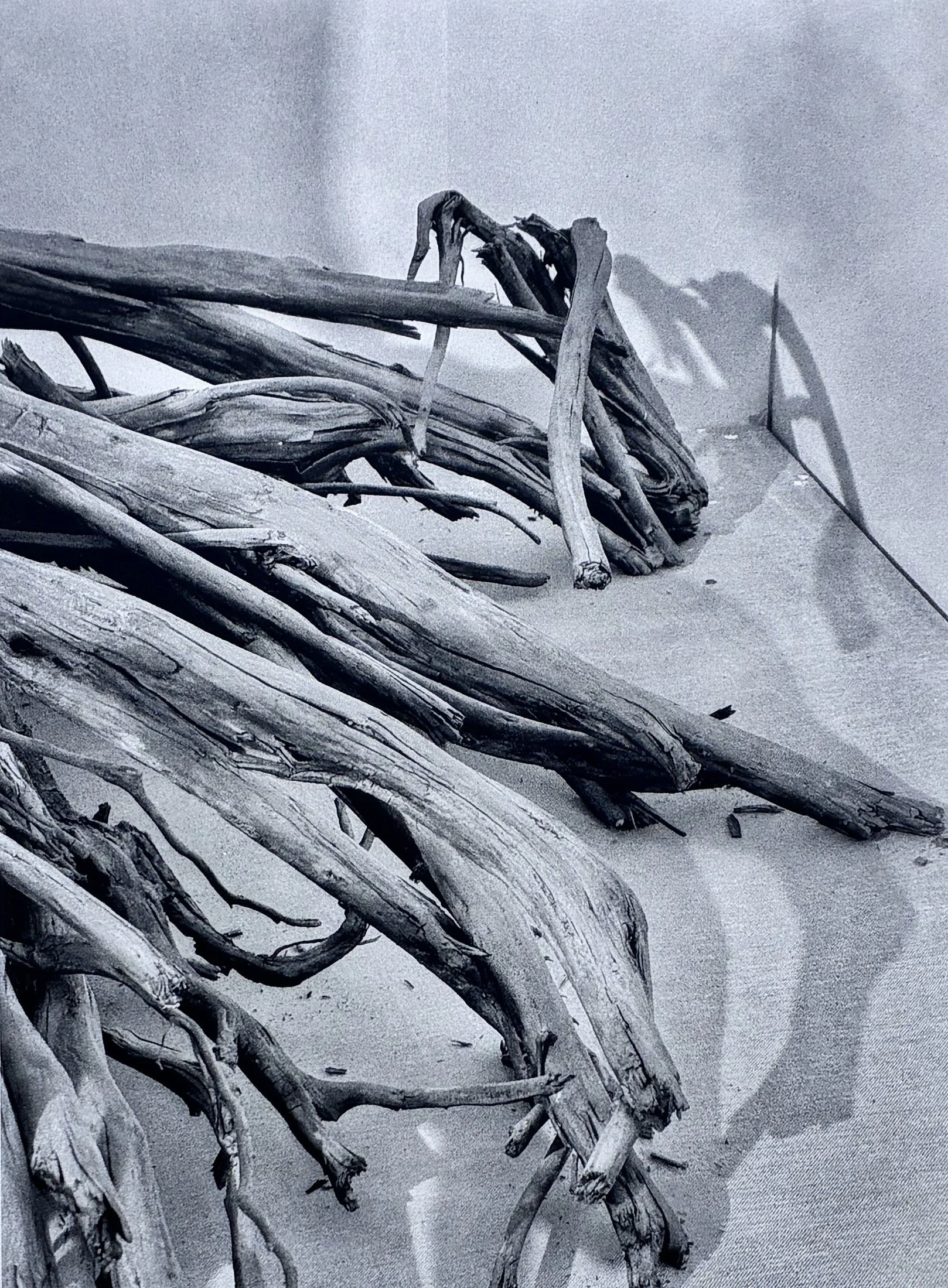
Cerith Wyn Evans, Studies from the Antiquarium Boscoreale Pompeii (II), 2025. Photogravure, edition 1/1 + 1AP, 58.5 x 47.5 cm.
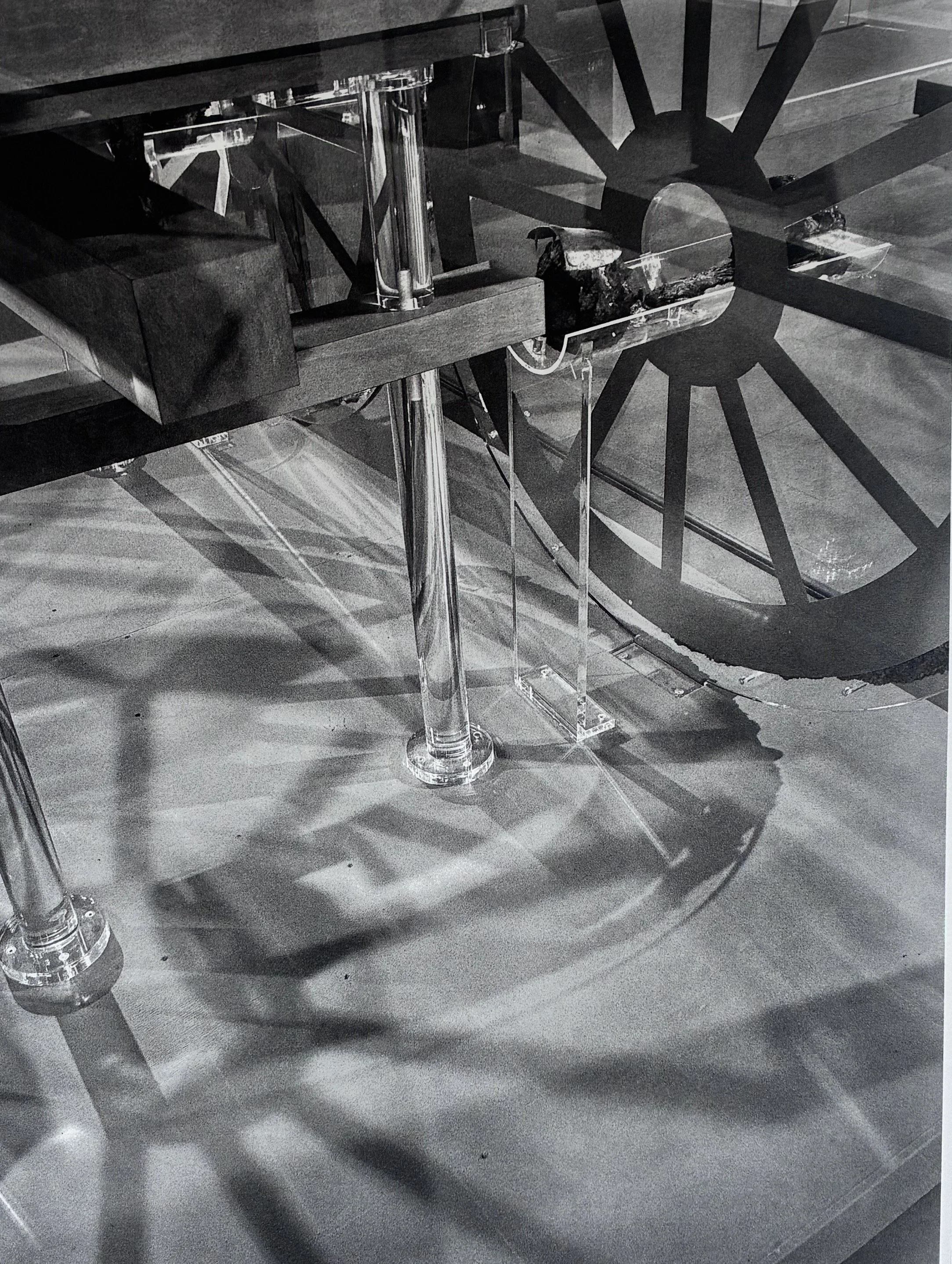
Cerith Wyn Evans, Studies from the Antiquarium Boscoreale Pompeii (III), 2025. Photogravure, edition 1/1 + 1AP, 58.5 x 47.5 cm.
![Robert Burton, The Anatomy of Melancholy: What it is, with all the kinds, causes, symptomes, prognosticks, & severall cures of it […] by Democritus Junior […] The Second edition, corrected and augmented by the Author. Oxford: John Lichfield and James](https://images.squarespace-cdn.com/content/v1/5f0598fd860c3161544202b3/f77d42fa-9a82-4893-9fbd-b0a7cf27aa78/cassius_0031.jpg)
Robert Burton, The Anatomy of Melancholy: What it is, with all the kinds, causes, symptomes, prognosticks, & severall cures of it […] by Democritus Junior […] The Second edition, corrected and augmented by the Author. Oxford: John Lichfield and James Short for Henry Cripps. 1624.
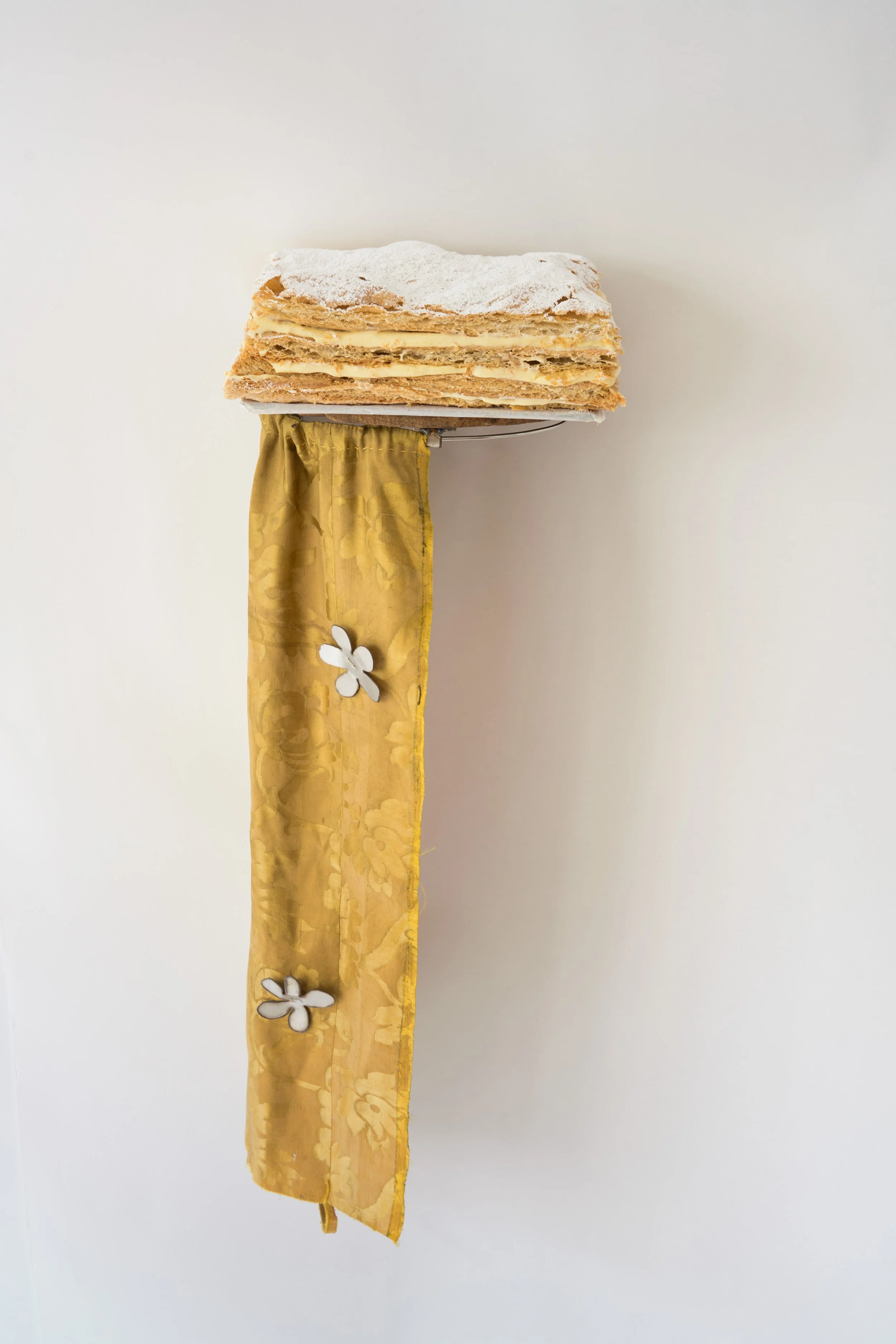
Kira Freije, Promise Arrangements, 2026. Stainless steel, wood, brass, 18th century silk, 71 x 25 x 20 cm.
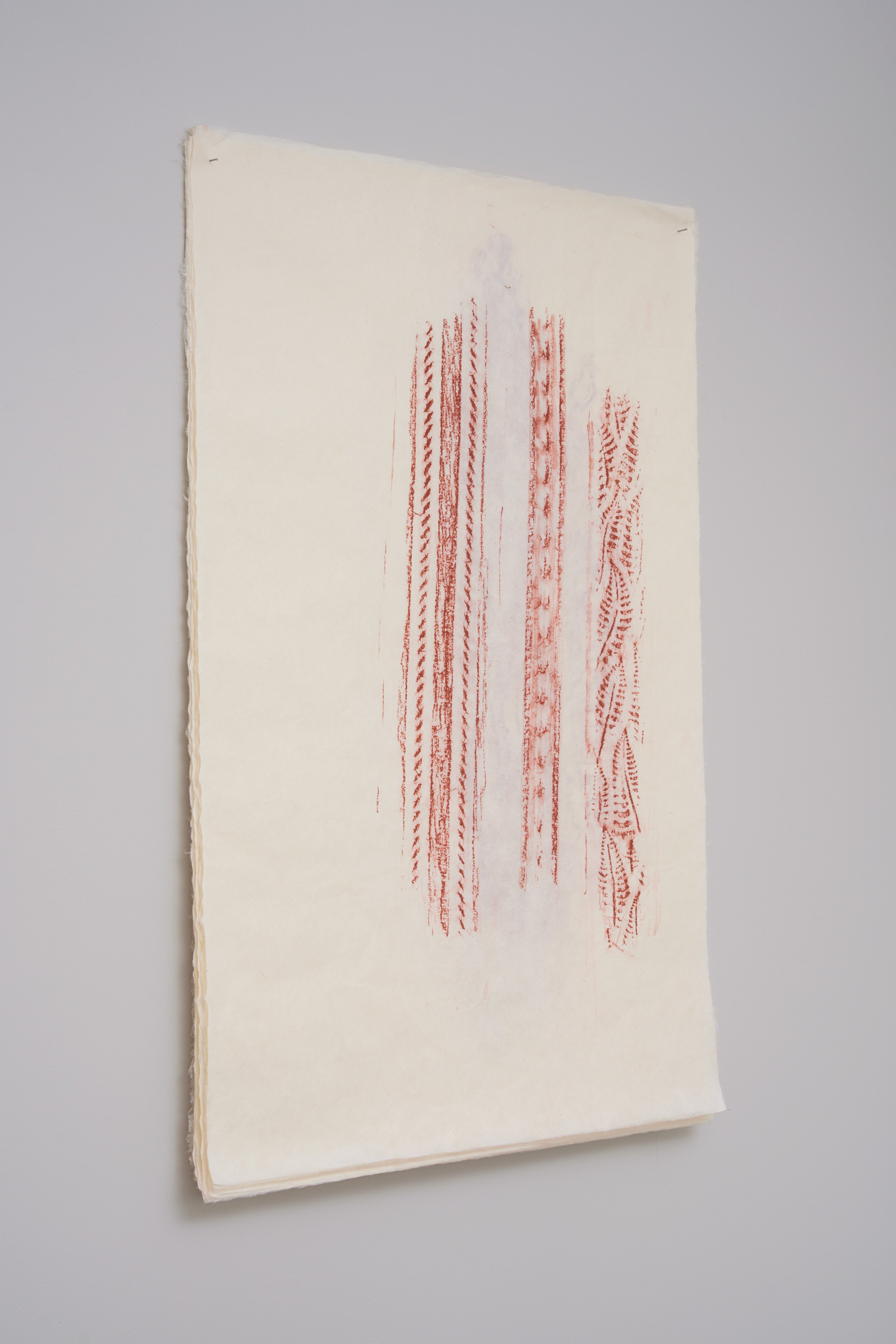
Pascale Berthier and Lucy Byatt, Gestures of Devotion (Arbroath Mortuary Chapel), 2026. Wax pastel on paper (9 sheets), 98 x 65 cm.
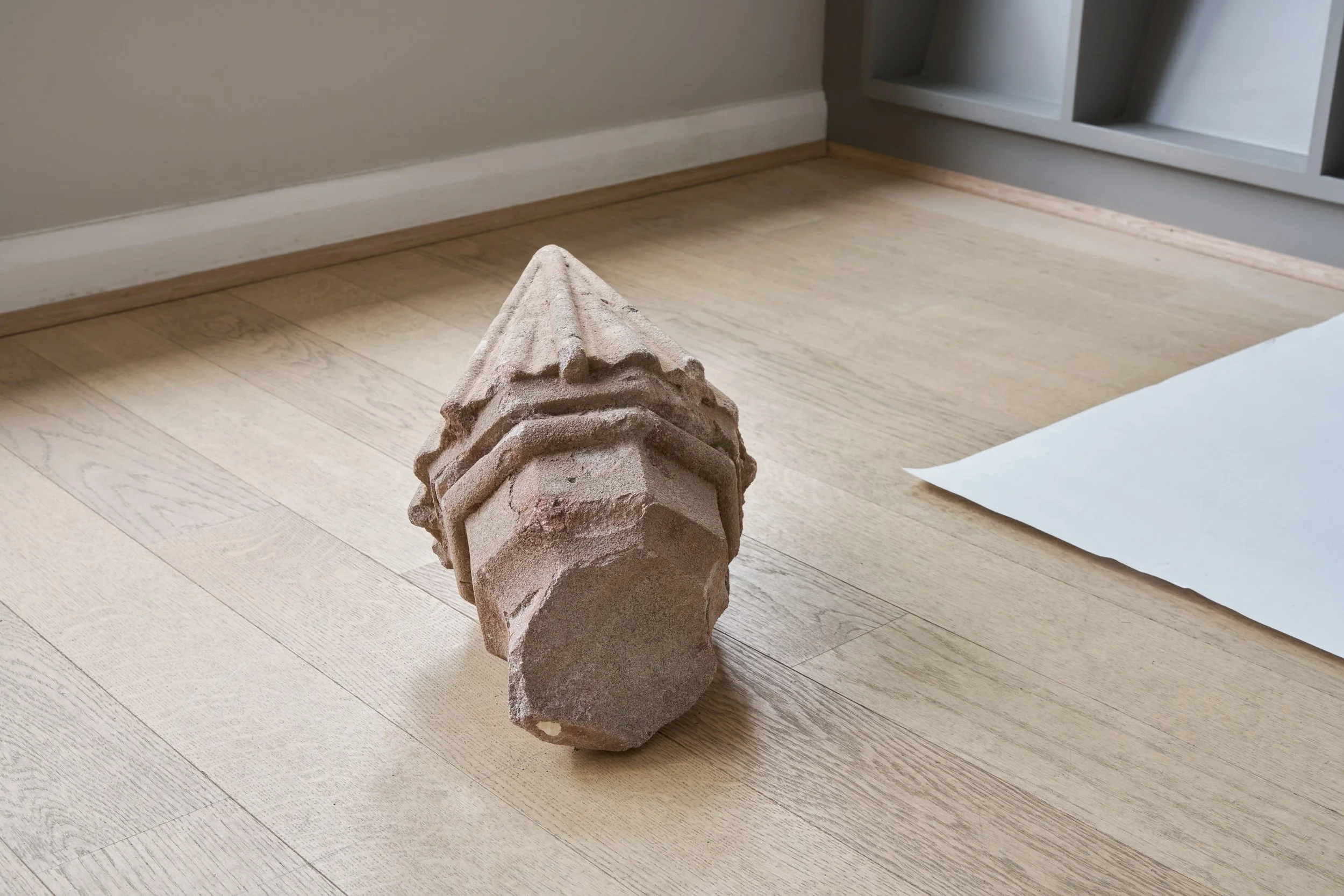
Fragment from the Hospitalfield Memorial Chapel, commissioned by Patrick Allan-Fraser, begun in 1875.