The Right Look
Curated by Sibylle Rochat
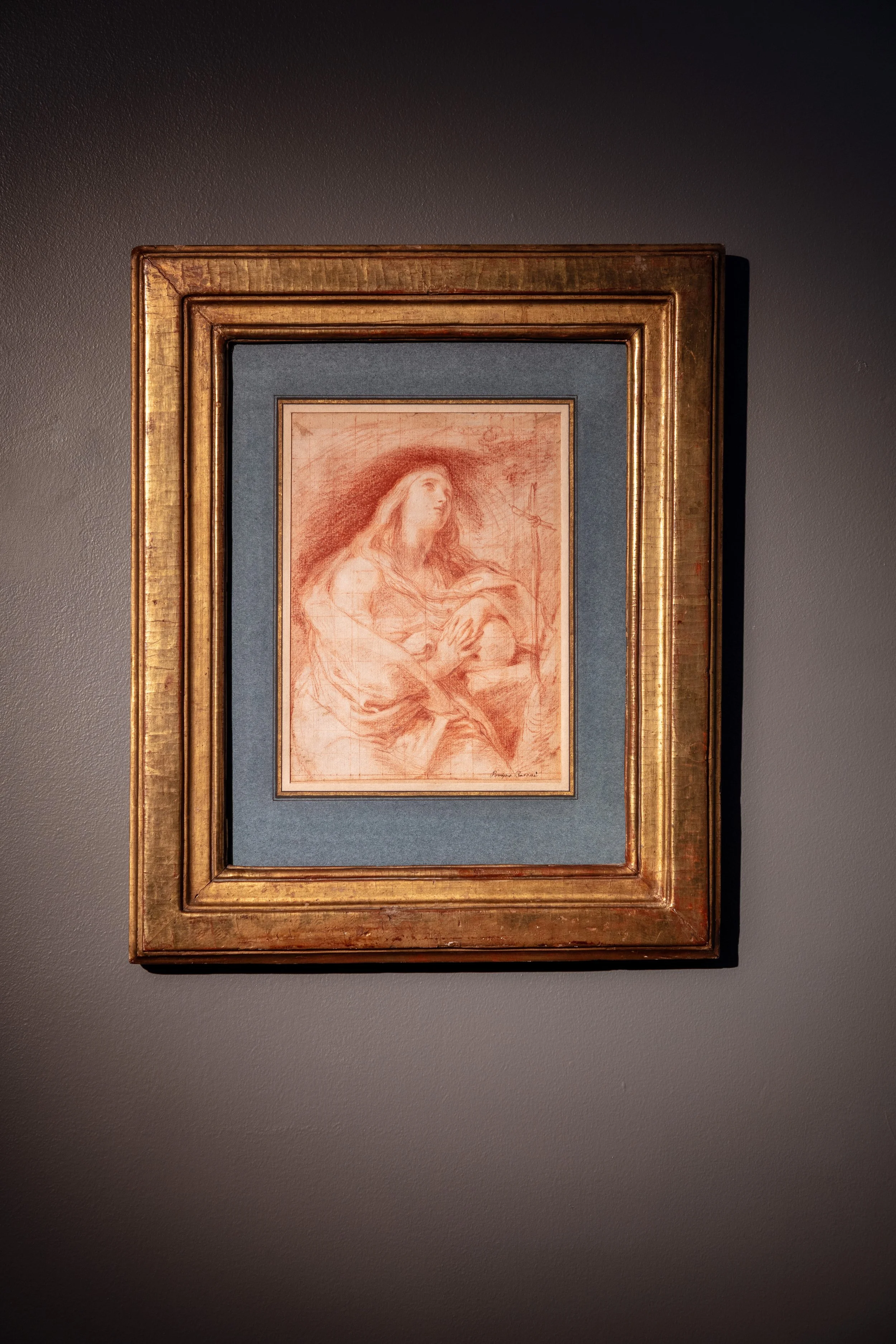
Pompeo Batoni
Jean-Baptiste-Camille Corot
Lewis Hammond
David Hammons
Hardy Hill
Sang Woo Kim
Louise Lawler
Amedeo Modigliani
Andy Warhol
17th September - 1st November 2025
at 63 Kinnerton Street, London, SW1X 8ED
CLICK HERE to request the exhibition catalogue
It is a truth not universally acknowledged that every visitor to a small gallery like CASSIUS&Co. must be counted as a blessing: art is, ultimately, a niche interest. I consider myself very lucky then, that one of the first people to walk through my door when I opened in 2021 was Sibylle Rochat. Art advisors get a bad rap, often fairly, but Sibylle is an exception: a serious professional without the typical self-seriousness, and one who actually builds extraordinary collections rather than just appearing to. Some months ago, I was sat at my desk feeling totally depressed, half because I am perennially broke and half because I couldn’t find any art that I wanted to show, when Sibylle, by now a friend, happened to come by. She heard me out with the nod and narrowed eye of a confidant and, quite spontaneously, and with a degree of empathy that connects with her tendency to be motherly with me, said ‘Why don’t I curate a show for you?’. As I’ve said, art advisors get a bad rap, and I didn’t want to put on some stupid group show of market-y stuff that she happened to have to access to. But I said that if she could come up with a good idea then I would love to hear it.
Well, she did. A week later she was back with a proposal for a show that she could explain in succinct and highly personal language, including several valiant attempts to pronounce the word ‘fetishisation’ in her Swiss-French accent. What was of particular interest to me was not so much the list of works and artists that she wanted to bring together, but rather her acknowledgment of her position as an art advisor who is curating an exhibition, and her willingness to make that position the basis of the show. For the third time, art advisors get a bad rap, and often they try to hide this away when they get involved in putting exhibitions together. But Sibylle wanted to make a presentation that not only broached a problematic subject, the line between idealisation and fetishisation in portraiture, but also was willing to implicate herself and her role in the market as it connects to that subject. Sibylle has made a show here that is not just about the ways that artists, consciously or not, idealise or fetishise the features of the sitter when they are making portraits, but one that accepts and thrives on the fact that when these objects go out into the world it is the collector, or indeed, their advisor, who begins to fetishise the subject who is now an object in a painting. That is a very honest, very personal way of approaching an exhibition. And it is very Sibylle.
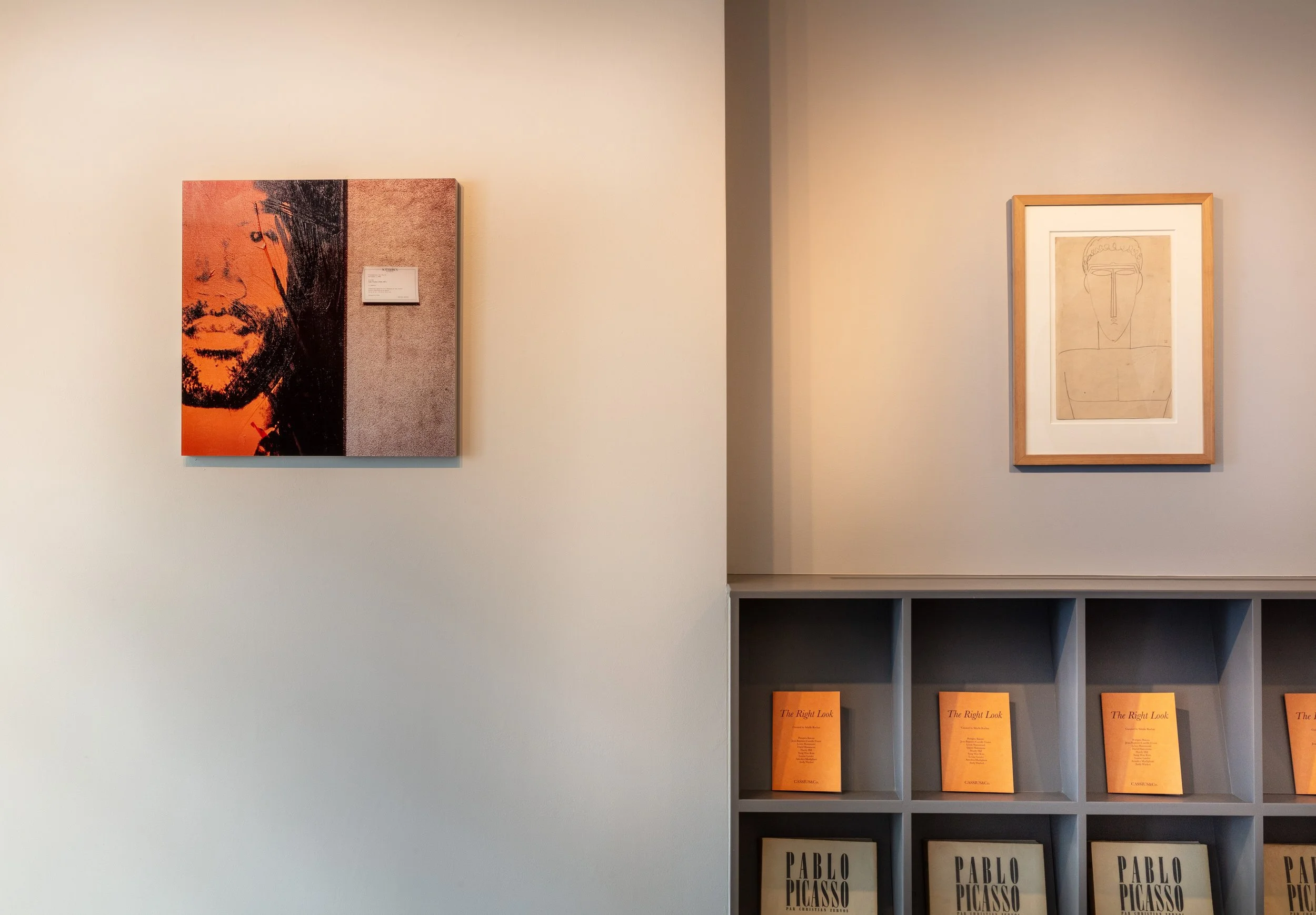
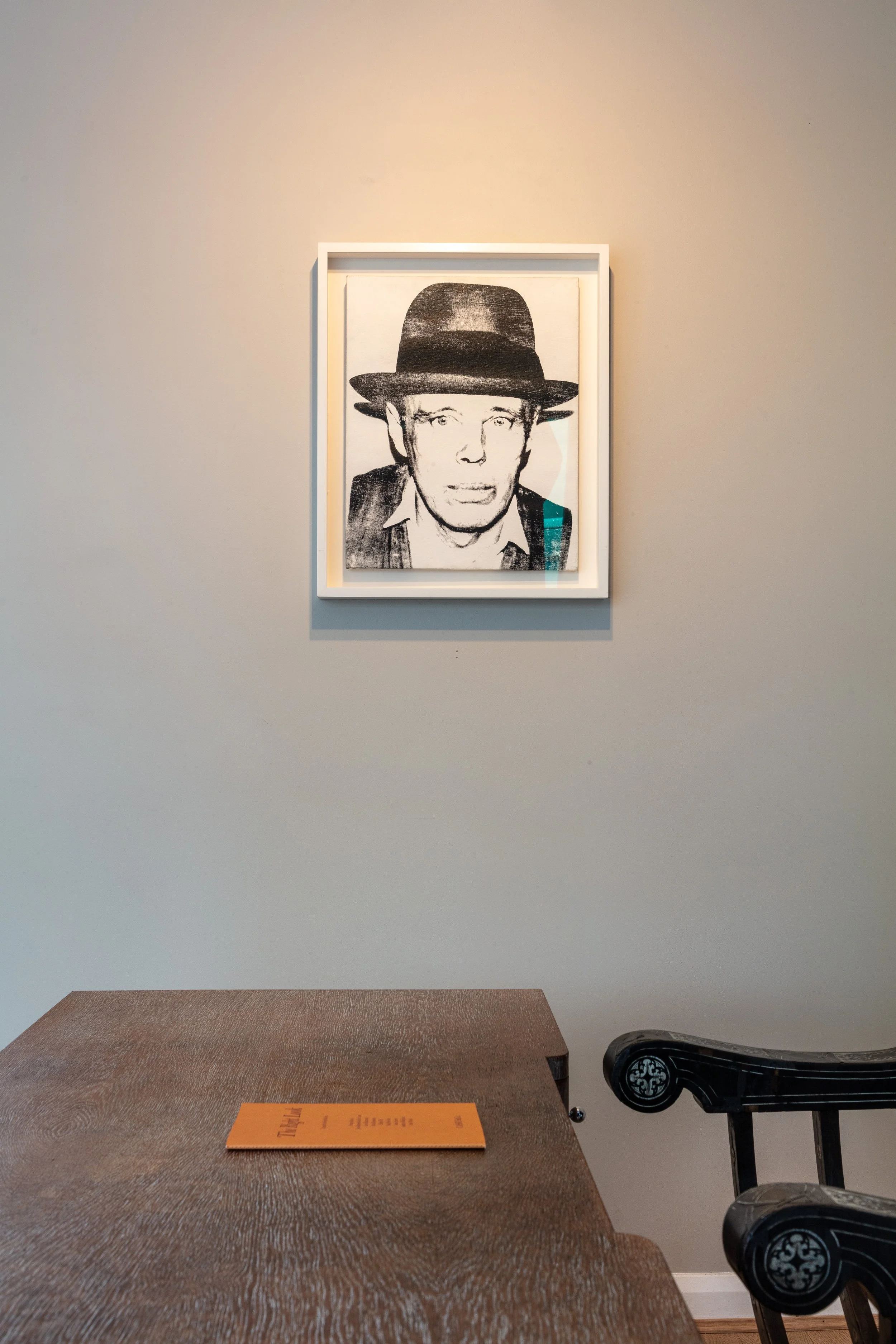
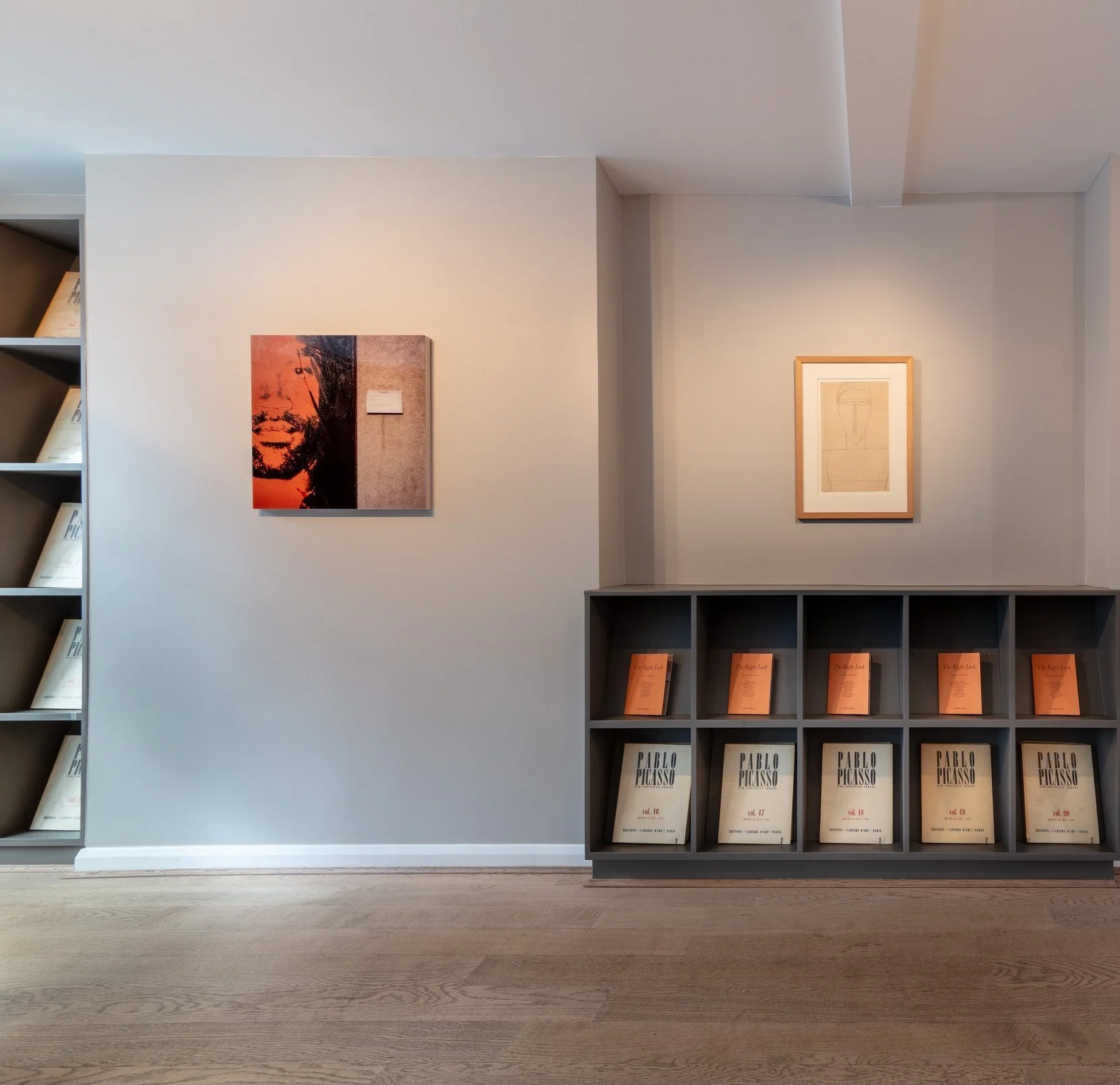
Each work here contains its own nexus of aesthetic idealism, cultural desire, and a changeable position in the world of commerce. The particularities of each are more complicated than the space of this text can contain and are perhaps best left to speak for themselves anyway, but if there is one worth dwelling on it is the photograph by Louise Lawler, which was the first work Sibylle proposed and thus the epicentre of this exhibition. Here we can see the salesrooms of Sotheby’s in New York in 1995, with a wall label on one side and on the other a portrait by Andy Warhol of O.J. Simpson cropped in half. Warhol had painted Simpson when he was a movie star, and has celebrated the features of his face that make him instantly recognisable. But by 1995 the actor was standing trial for murder, and presumably the owner of this work no longer wished to live with him, hence its appearance at Sotheby's. This complex of a once-aspirational figure, his features reified by an artist fascinated by his celebrity, now appropriated, hopelessly cleaved and adrift in the world of art sales, is exactly what this exhibition is about. That is why it is called The Right Look: who has it in the first place, how is it translated into an art-object, and who wants to live with it in the end.
The works were chosen for personal reasons, but those can remain the secret of Sibylle. I think they all work beautifully together, each standing on its own and connecting to the others in a thousand different ways, and together representing a series of human relations that is fundamental to the nature of art, namely, what happens between people as they are turned into images and then those images are offered to others.
I remember in the run-up to starting CASSIUS&Co. I was nervous about how I would handle the hordes of ravenous art lovers that would be thronging at my doorstep, only to open up on that first day to nothing but the wind. And I have said how one of the very first people who did wander in was Sibylle Rochat, who has brought together this exhibition, which includes works by some of the artists I most admire, and whom I never thought I would ever have a chance to present in my small gallery. Every visitor must be counted as a blessing, but this one particularly so. Thank you Sibylle, and to everyone that has visited since.
- Fraser Brough, CASSIUS&Co.
From the curator:
As an art advisor, my role is to select works of art and to translate their exceptionality – articulating why they matter, and why they are right for a collection. In doing so, I often find myself describing artworks almost as fetishised objects – things to be desired, even coveted, for their power, aura, or presence.
Portraiture complicates this dynamic, prompting me to ask: am I simply responding to the formal qualities of the artwork, or fetishising the features of it’s subject?
Our perception and valuation of facial features in portraiture is not a new phenomenon, but one that is constantly shifting. Once dominated by Eurocentric beauty standards, today’s preferences reflect a broader, more complex set of cultural and racial influences – sometimes conscious, sometimes unconscious.
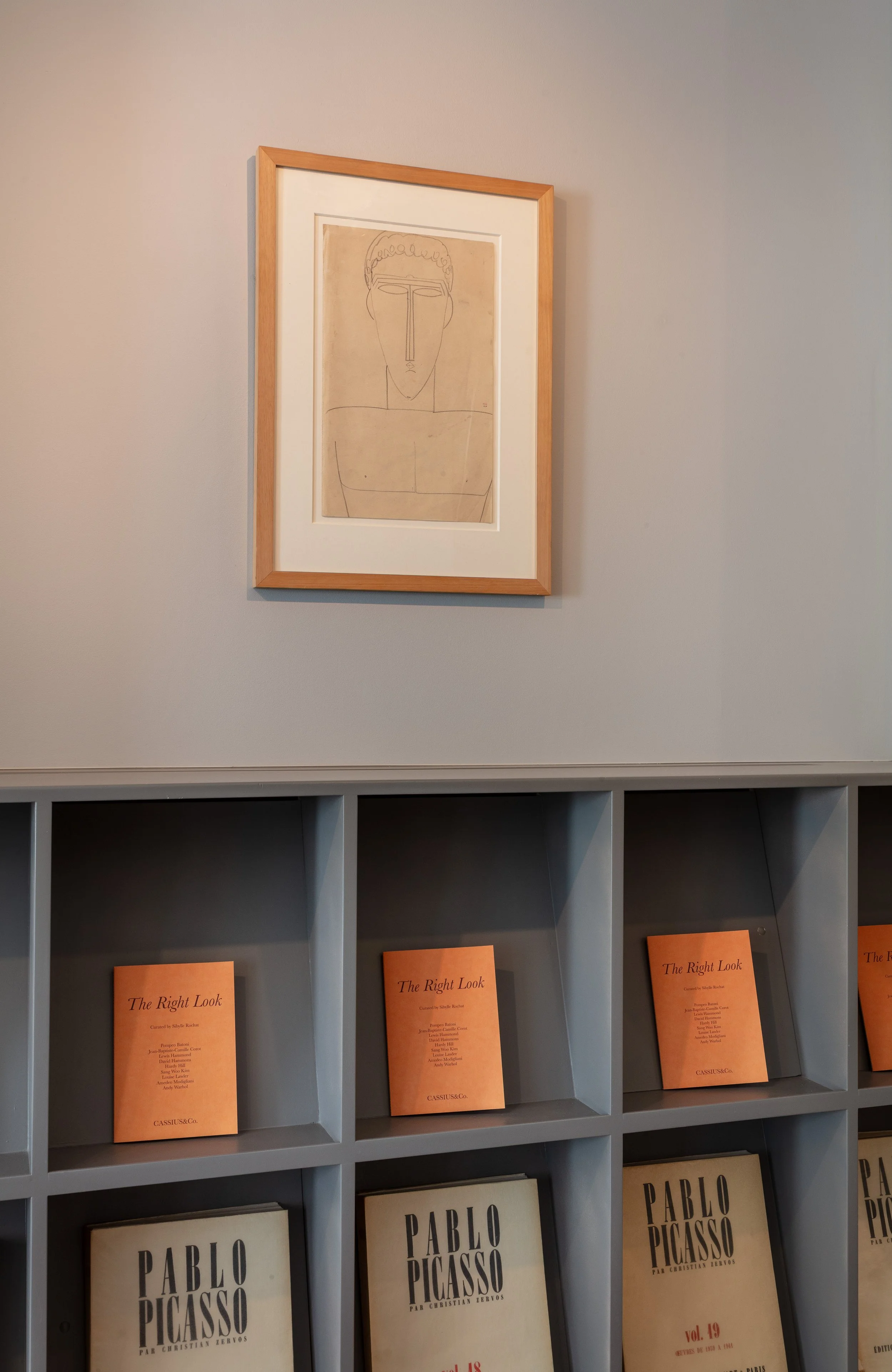
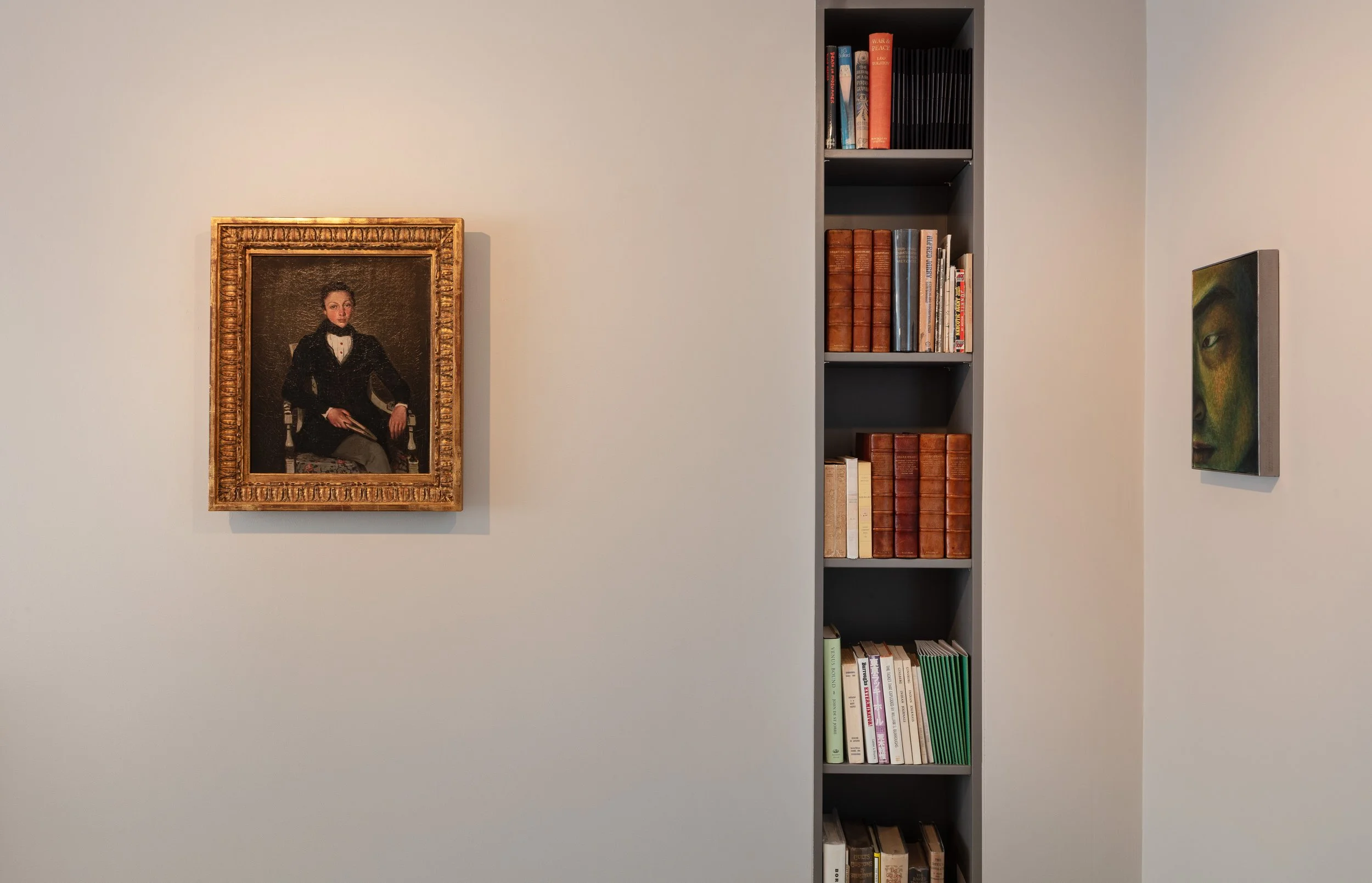
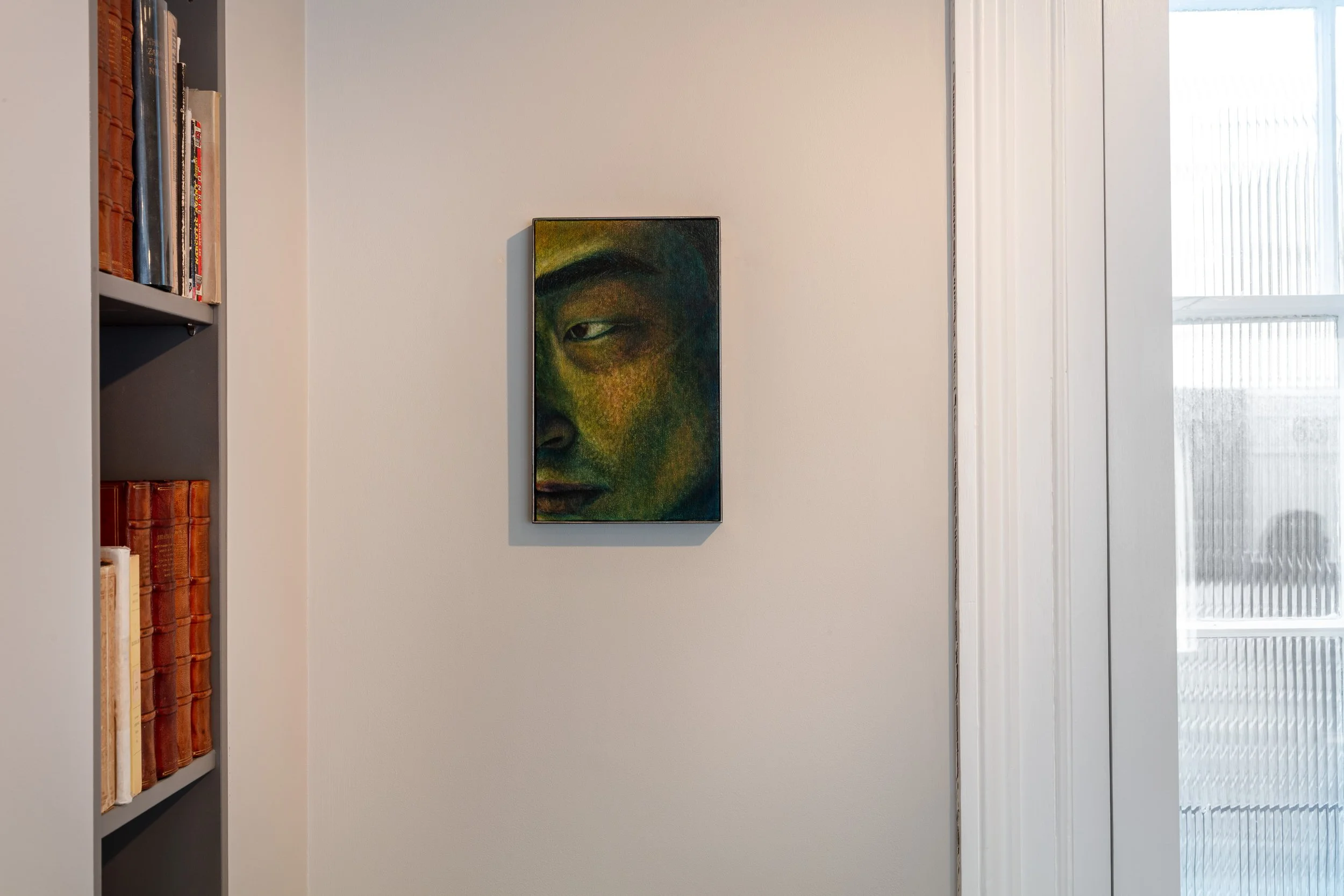
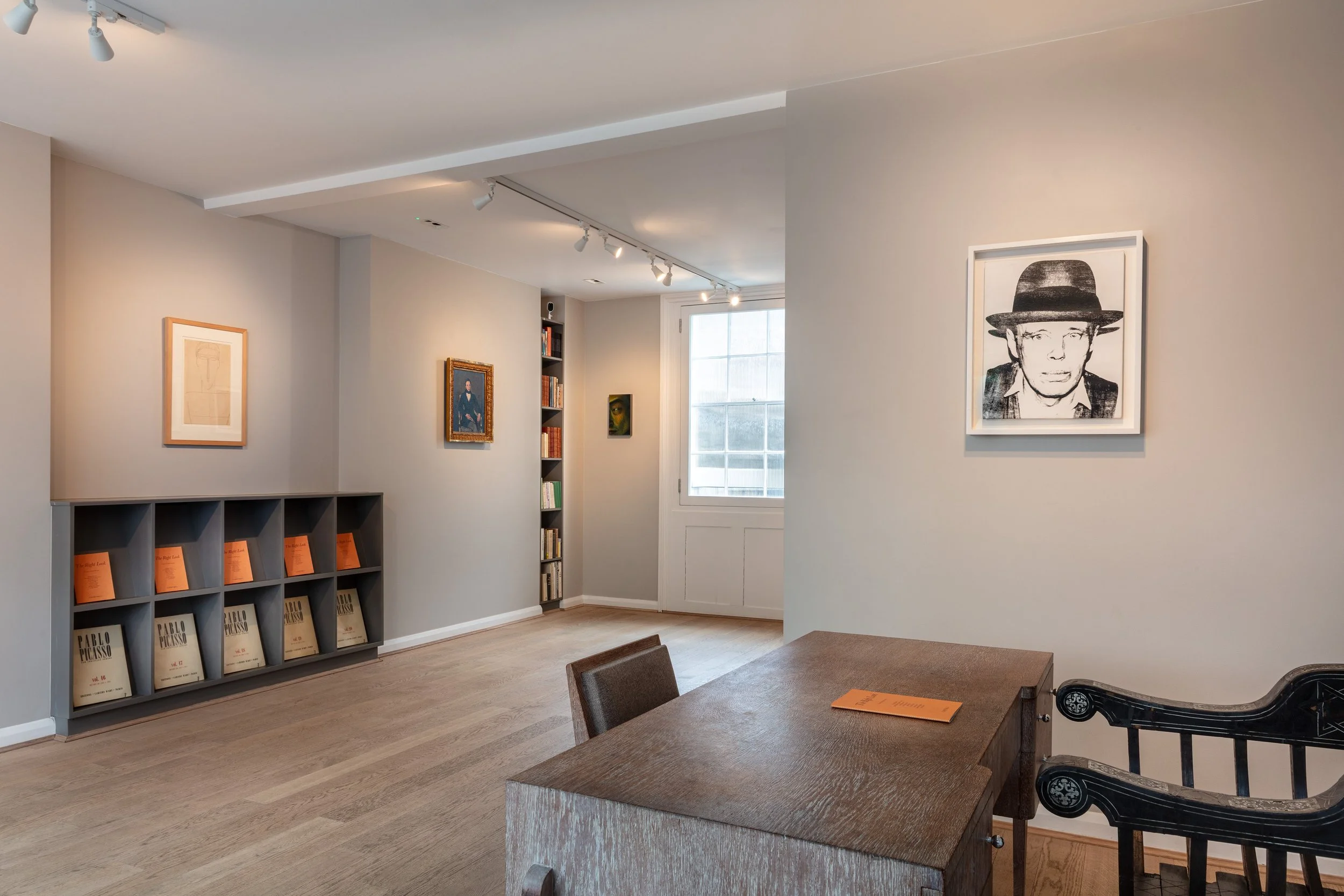
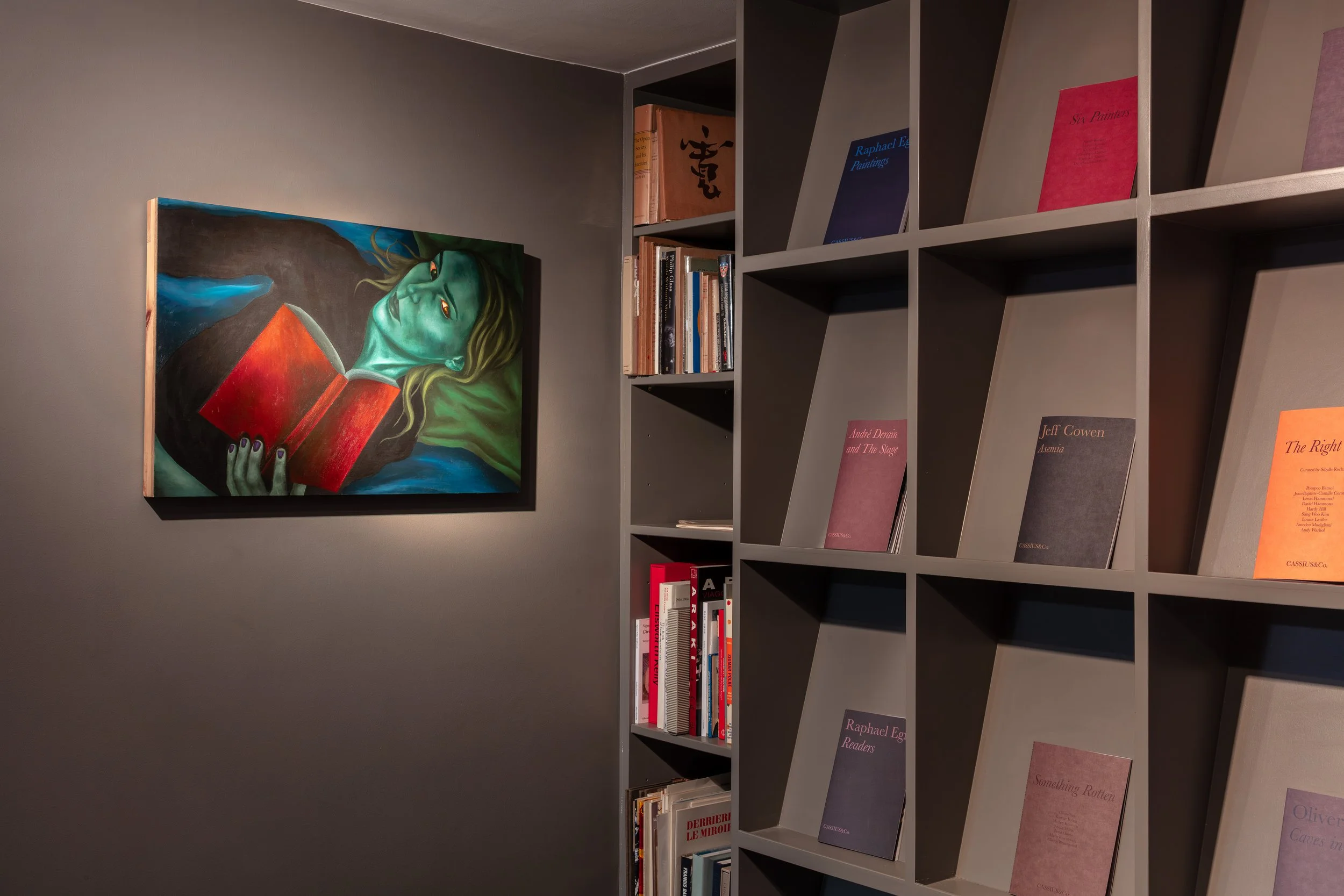
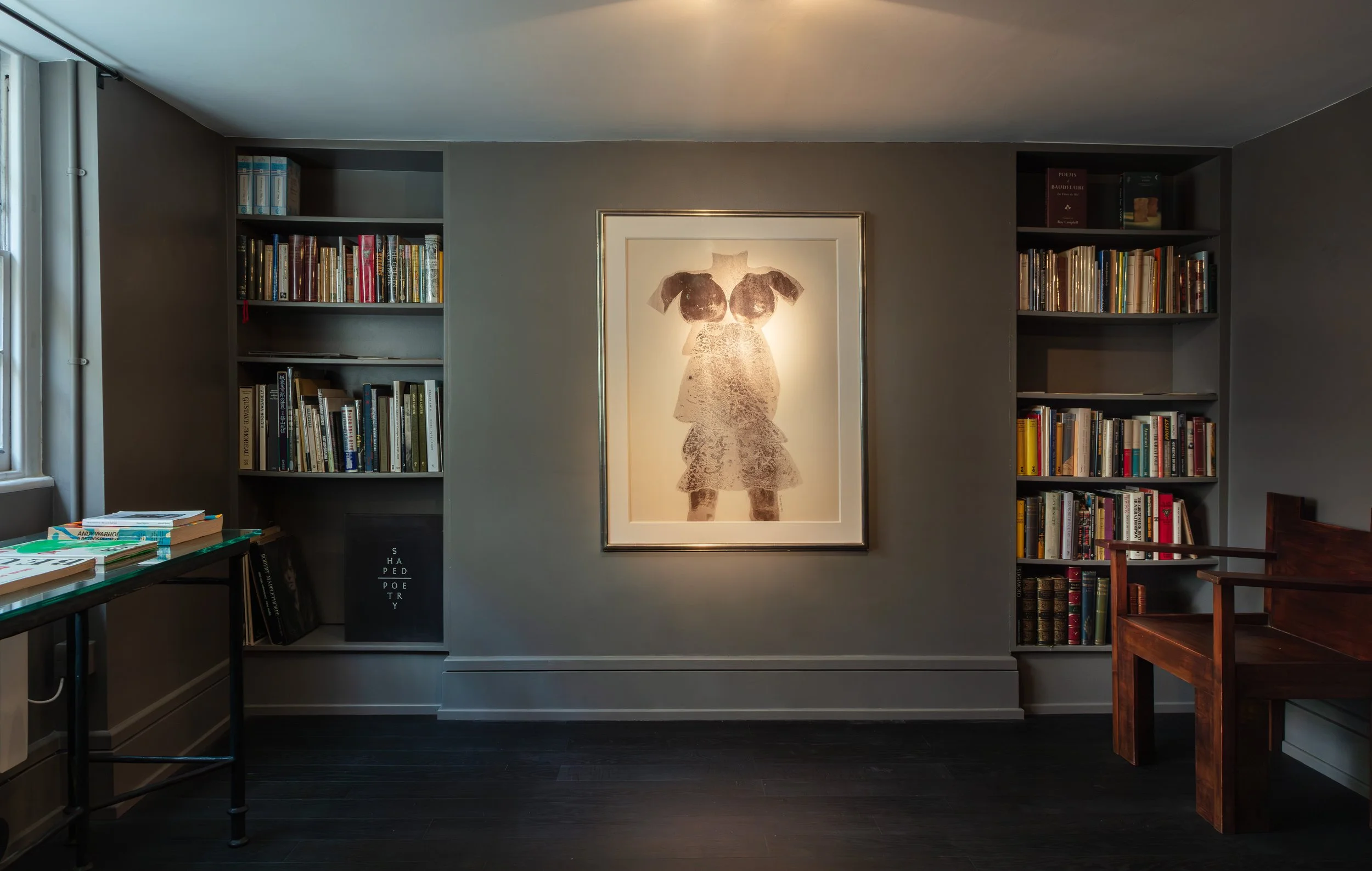
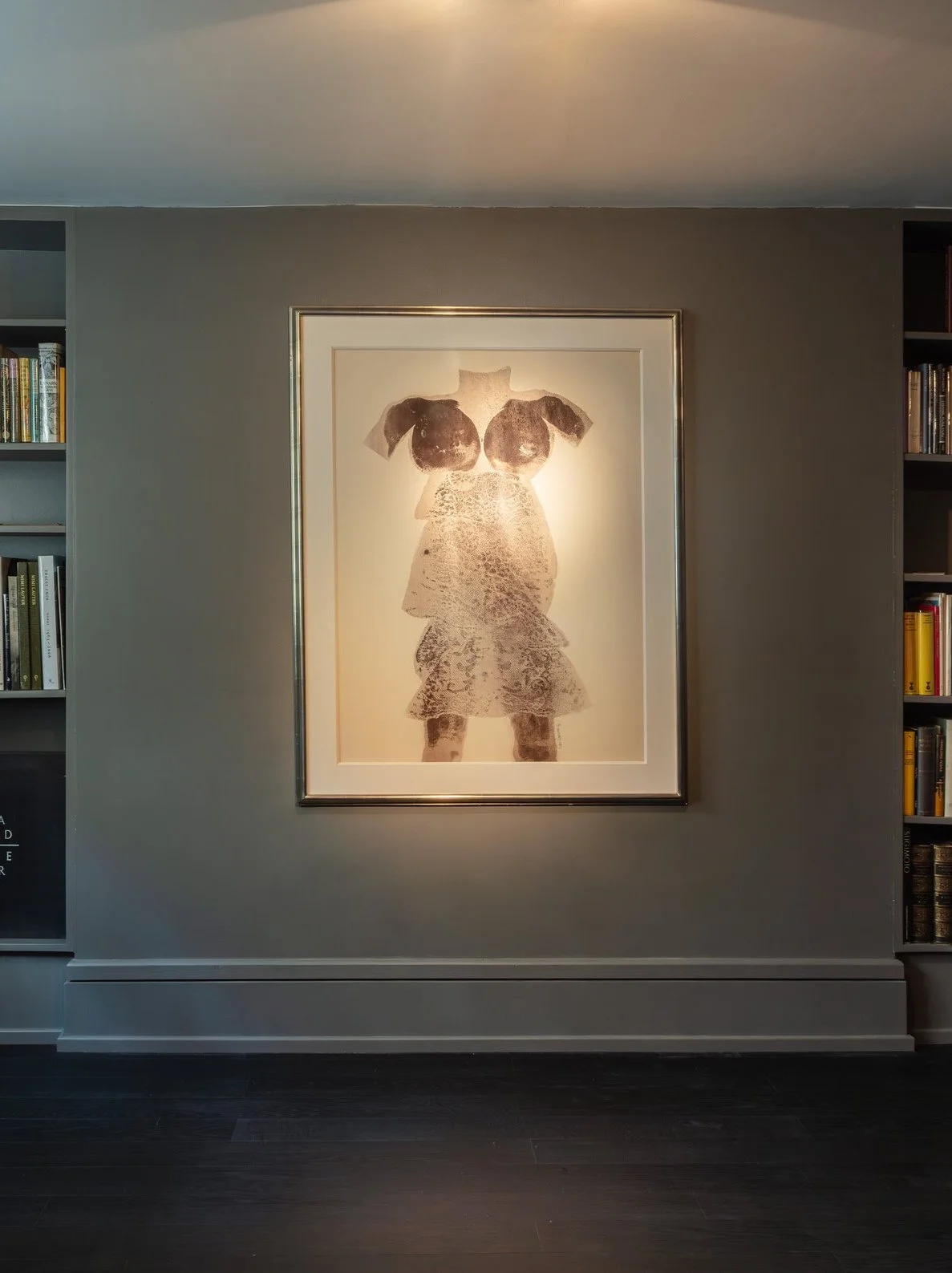
The Right Look mirrors this shift in bringing together nine portraits from the 18th to the 21st century. While each work was chosen based on the standard criteria of technical quality, historical significance, and visual impact, together they also speak to something less tangible: the way we perceive and respond to faces – idealised, stylised, fetishised – across time and culture.
In my quest to find the right work when looking at portraiture, the question arises: what role does this process of fetishised reception play in finding “the right look”?
- Sibylle Rochat